Emergency Water Removal in Wilmington, NC
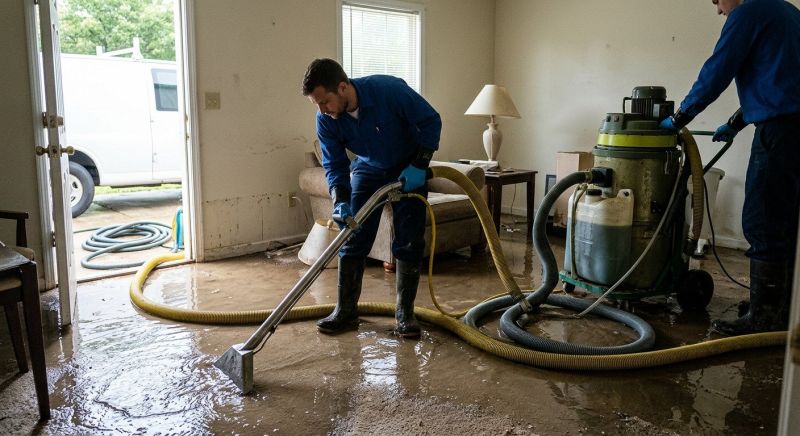
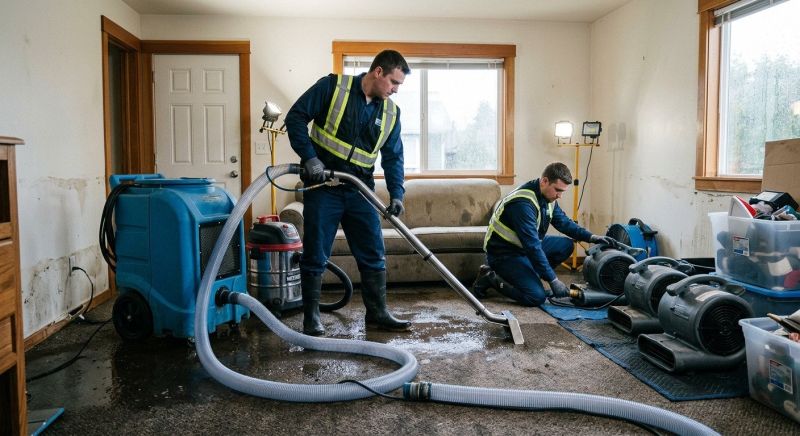
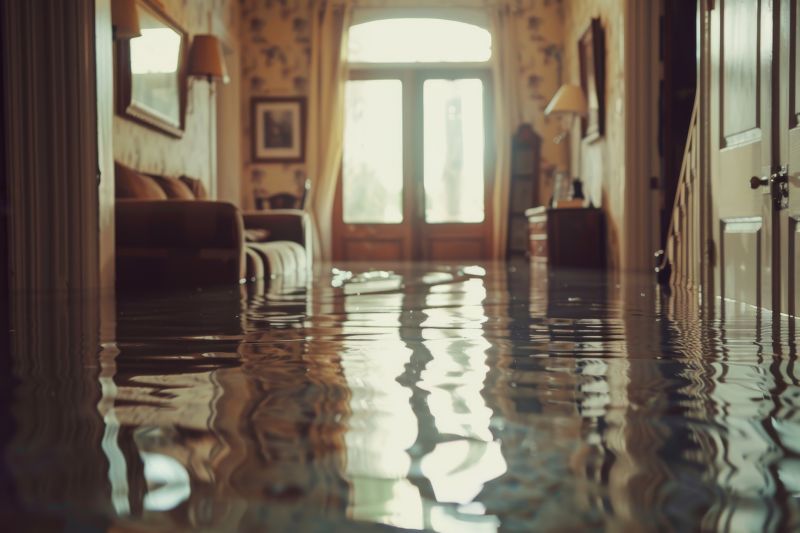
Emergency water removal services are designed to quickly address situations where excess water has infiltrated a property due to events such as burst pipes, severe storms, or appliance failures. These services focus on extracting standing water from floors, carpets, and other affected areas to prevent further damage and reduce the risk of mold growth. Projects often include water extraction from residential basements, kitchens, bathrooms, and crawl spaces, helping property owners mitigate immediate issues and protect their investments.
Homeowners typically want to understand the scope of water removal, including what areas can be effectively dried and how quickly the process can begin. It’s also important to know what steps are involved to ensure thorough drying and prevent secondary problems like mold or structural damage. Clarifying these details helps property owners make informed decisions about addressing water emergencies and restoring their homes efficiently.
Many property owners in Wilmington, NC look into Emergency Water Removal for repairs, replacements, upgrades, and appearance-related improvements.
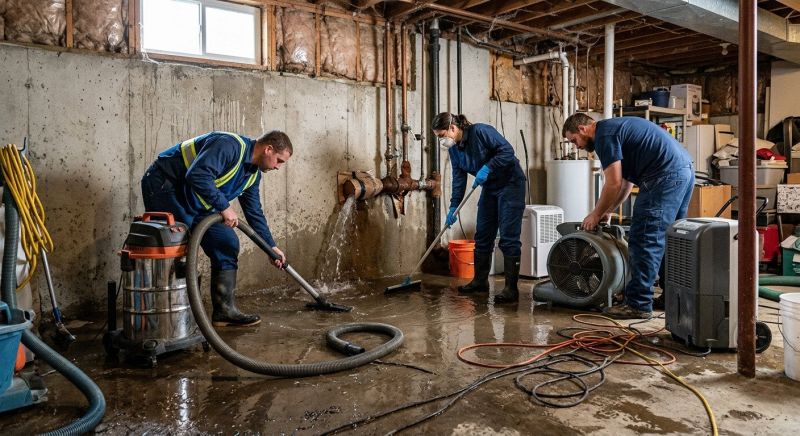
Immediate Water Extraction
Rapid removal of excess water helps prevent further damage to your property.
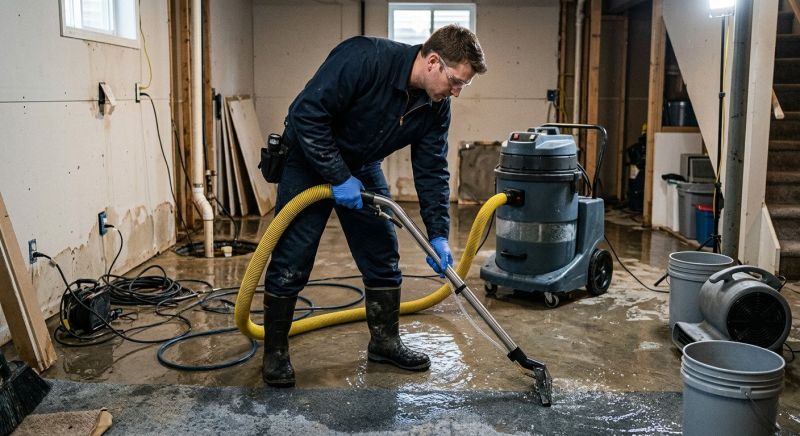
Moisture Detection & Drying
Advanced tools identify hidden moisture to ensure thorough drying throughout your space.
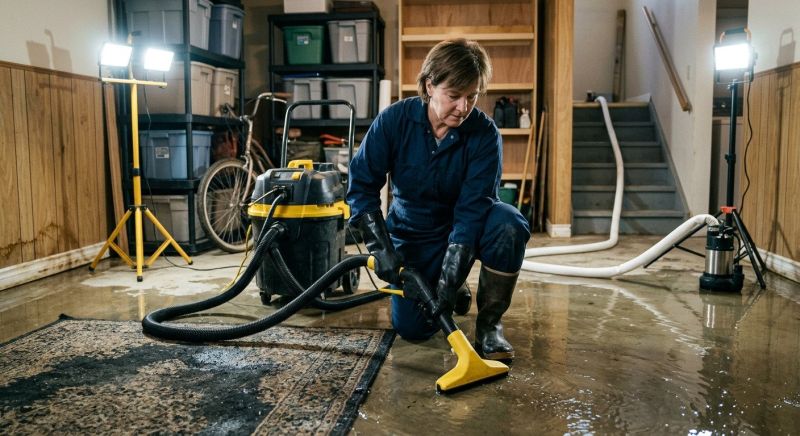
Damage Prevention & Restoration
Prompt water removal minimizes structural issues and supports effective restoration efforts.
Emergency Water Removal in Wilmington, NC
Emergency water removal services are designed to quickly address situations where excess water has infiltrated a property due to events such as burst pipes, severe storms, or appliance failures. These services focus on extracting standing water from floors, carpets, and other affected areas to prevent further damage and reduce the risk of mold growth. Projects often include water extraction from residential basements, kitchens, bathrooms, and crawl spaces, helping property owners mitigate immediate issues and protect their investments.
Homeowners typically want to understand the scope of water removal, including what areas can be effectively dried and how quickly the process can begin. It’s also important to know what steps are involved to ensure thorough drying and prevent secondary problems like mold or structural damage. Clarifying these details helps property owners make informed decisions about addressing water emergencies and restoring their homes efficiently.
Many property owners in Wilmington, NC look into Emergency Water Removal for repairs, replacements, upgrades, and appearance-related improvements.
Common Emergency Water Removal Jobs
Water Damage Restoration - comprehensive removal of water from affected areas to prevent further damage.
Flood Damage Cleanup - addressing water intrusion caused by storms or heavy rainfall.
Sewage Backup Removal - safe extraction and cleanup of contaminated water from sewage backups.
Storm Damage Water Removal - rapid response to water intrusion from severe weather events.
Appliance Leak Cleanup - removal of water caused by leaking appliances or plumbing failures.
Basement Water Extraction - specialized services to dry out and restore flooded basement spaces.

Emergency Water Removal Questions
What types of water removal services are available? Services include extraction of water from carpets, flooring, basements, and other affected areas to prevent further damage.
How can water damage affect a property? Water damage can lead to structural issues, mold growth, and property deterioration if not addressed promptly.
What should homeowners do immediately after water intrusion? It is important to remove excess water, ventilate the area, and contact a professional for assessment and removal.
Are water removal services suitable for all types of flooding? Yes, services can handle various flooding situations, including plumbing leaks, storm damage, and appliance failures.
Request Emergency Water Removal in Wilmington, NC
Use the quote form on this page to share the basics of your project and request more information for the type of work you need.